Photo Proofing Tools vs. a Full-Service Editing House: What Photography Studios Actually Need
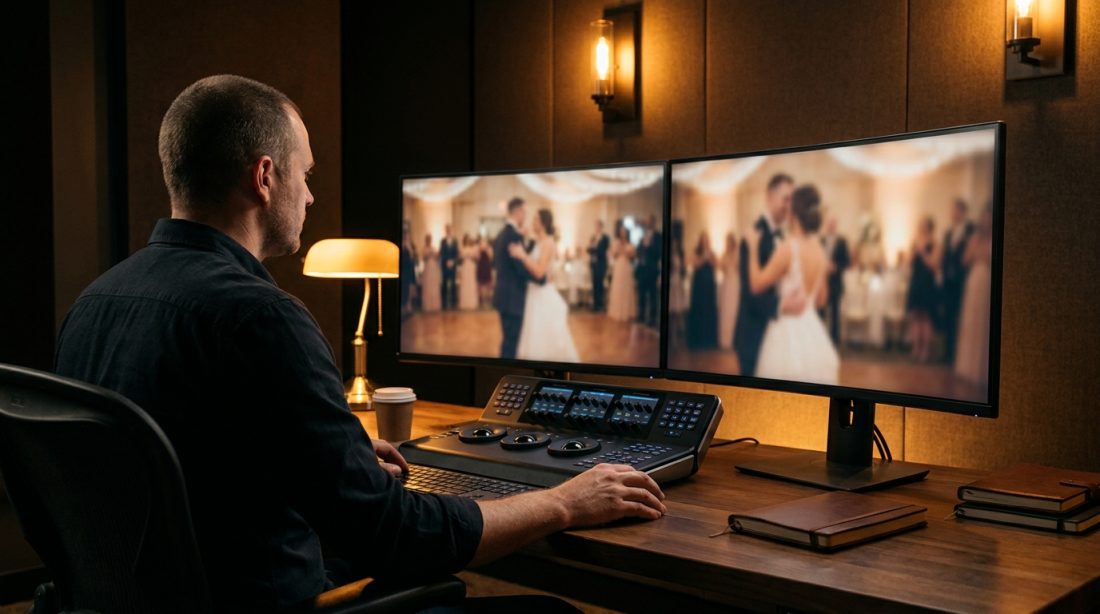
Every photography studio hits the same wall eventually: the shooting is done, but the real bottleneck starts after the wedding. Clients want to see their photos fast, and editors need to keep pace with a growing calendar. Someone also has to keep quality consistent from one project to the next. That usually leads studio owners to search for photo proofing tools, hire a freelance editor, or look for a full-service editing house. The goal is always the same: take post-production off their plate entirely.
Each path solves a different part of the problem. Here is how to tell them apart, and which one actually fits a growing studio.
What are photo proofing tools, exactly?
Photo proofing is the step where a client reviews a gallery of images. They mark favorites, flag rejects, and leave comments before final editing and delivery. A good photo proofing tool gives clients a clean, password-protected gallery with favoriting, commenting, and download controls. The photographer is not emailing back and forth over which fifty photos to retouch.
Standalone proofing software solves that one step well. What it does not solve is everything downstream of it: the actual editing, culling at scale, and color consistency across hundreds of images. It also will not coordinate any of that with video deliverables if the studio shoots film too. That is usually where a second, bigger decision comes in.
Freelance editor vs. in-house team vs. editing house
Once proofing is sorted, studios typically choose between three ways to get the actual editing done.
A freelance editor is the lowest-commitment option. Rates are flexible and there is no long-term contract. But quality and turnaround can vary editor to editor. Scaling up for a busy wedding season usually means onboarding someone new, style guide and all, under time pressure.
An in-house team gives the most control, but it is the most expensive option by far. Salaries, software licenses, hardware, and management overhead all get carried whether the calendar is full or slow.
An editing house (an outsourced, dedicated post-production studio) sits between the two. It behaves like an in-house team: one consistent point of contact, your studio brand on every delivery, revisions included. There is no fixed overhead of actually employing editors. For studios that have outgrown freelancers but are not ready to hire full-time, this is usually the better economics.
What to actually look for in an editing studio partner
- Turnaround you can promise clients. Ask for a real, written turnaround time, not “usually a few weeks.”
- Revisions included. A studio should not pay extra every time a client asks for one more tweak.
- White-label delivery. Your client should never know an outside editing house touched the project.
- Photo proofing and culling built in. The fewer separate logins and tools your team has to manage, the fewer things break.
- Consistent style, project after project. One dedicated editor or small team per studio, not a rotating pool of freelancers.
How Inside Stories approaches it
Inside Stories works as an outsourced editing house for wedding and commercial photographers, cinematographers, and production houses. Photo proofing and culling sit directly inside the project workflow, alongside video editing, color grading, and sound design. That means one dashboard and one dedicated team for a studio. There is no juggling a separate proofing tool and a separate freelance editor for every job.
If your studio is outgrowing freelance editors but is not ready to build an in-house team, get in touch for a free quote. Or see how client-side photo proofing works inside an Inside Stories project.
Frequently asked questions
What is the difference between a photo proofing tool and an editing house?
A photo proofing tool only handles client review and selection, one step in the broader post-production process. An editing house is a full post-production partner. It proofs, culls, edits, color grades, and delivers the finished work, usually under your own studio brand.
Is a freelance editor or an editing house cheaper?
A single freelance editor can be cheaper per project at low volume. Once a studio is running multiple projects a month, an editing house is usually cheaper and more predictable overall. Pricing, turnaround, and revisions are fixed, rather than renegotiated with a new freelancer each time.
What does “editing house” mean in wedding videography?
An editing house is a dedicated post-production studio. Other photographers, videographers, and production companies outsource their editing to it, instead of hiring in-house staff or piecing work out to individual freelancers.